
Investing sounds like the smart first step in every money plan. People praise it, promote it, and rush toward it. The idea feels exciting, because growth looks easy from far away. Yet your first financial goal should not always be investing.
Investing works best when your foundation stands firm. A foundation includes debt control, cash for surprises, and basic knowledge. Without these pieces, even good investments can hurt you. Order matters in money, and the wrong order creates stress.
Many people skip the foundation because they fear missing out. They see others invest, and they feel behind. That pressure pushes them into early decisions. Early decisions without a base often end in forced sales and new debt.
Waiting to invest does not mean ignoring growth. It means you respect timing, risk, and your own situation. Good timing protects your money before it tries to grow your money.
So in this article, you will see six reasons investing should not come first. Each reason shows a real cost of rushing. Read them carefully, and you will understand why order matters.
You Can Miss Out on Quick-Return Business Opportunities That Require Finance
Investing first can cost you business chances that pay back quickly. According to research, personal savings fund most new small businesses. Over 70 percent of new small businesses began with personal savings or assets. That finding shows how much business chances depend on ready cash. If your money sits in investments, you cannot reach it quickly. Business owners often fund growth from their own pockets first. Money tied up elsewhere cannot join that effort. A pause of even a few weeks can end a promising deal. Many business opportunities need cash right now, and they rarely wait for you. A chance can close in days, so slow access to money hurts. Some investments take time to sell, and selling early can cost you. Quick returns can speed up your growth, because you control the work. Business income also arrives sooner than most investment gains. Cash gives you choices, while locked money gives you regrets.
You Could Pay More Interest Than Necessary If You Have Existing Debt
Debt makes investing first a costly choice. Interest grows every month on what you owe, whether you invest or not. Debt charges you a known rate, but investment returns stay uncertain. According to research, credit card rates now run above 21 percent. Accounts that carry a balance pay slightly more than that. In plain terms, that debt grows faster than most investments can. Your investments must beat that rate before they help you at all. No safe investment promises a return that high. You pay the interest for sure, and you hope the market pays you. When you invest with debt, you often lose that race. Debt also limits your freedom to take new chances. Every payment shrinks next month’s options. The debt grows quietly, while your returns come and go. Paying interest feels small, but it compounds against you. Clearing debt gives you a certain return that markets cannot match.
You Might Struggle to Cover Emergencies If You Invest Before Building Savings
Emergencies do not wait for your investments to grow. When you invest first, your cash runs thin, and surprises hit hard. According to research, six in 10 households faced a financial shock in one year. The median cost of the most expensive shock reached $2,000. Those numbers show that surprise bills are normal, not rare. Without cash, you meet them with debt or forced sales. Emergencies also tend to arrive in groups, not alone. With no cash, each new bill adds panic to your decisions. Panic makes you sell low and borrow high. You then face a hard choice, sell your investments or borrow. Selling at a bad moment can lock in losses. Borrowing adds interest to an already stressful event. Savings protect your plans, because they stay stable and ready. Stability comes before growth, because growth needs a calm owner. Investments can drop in value exactly when you need them.
You Can Lose Money Because of a Lack of Investing Knowledge
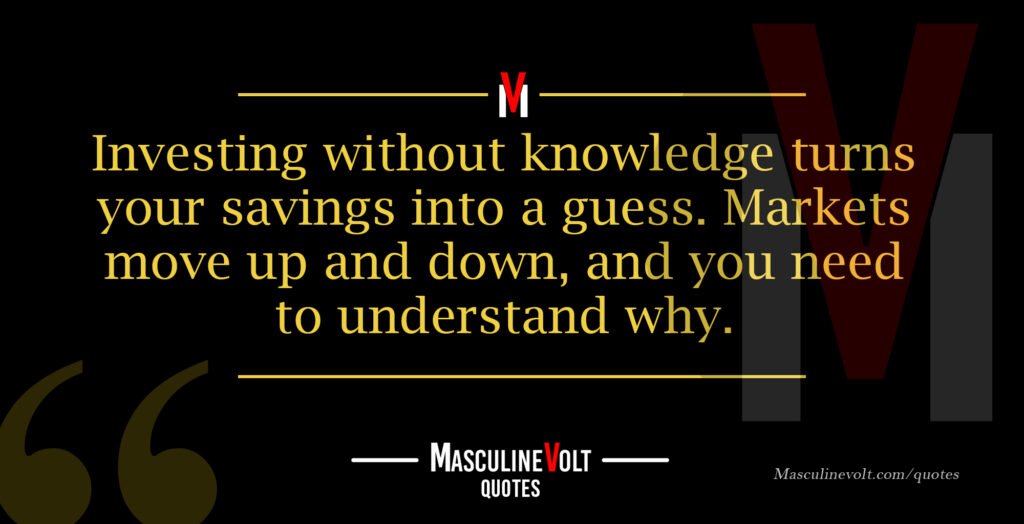
Investing without knowledge turns your savings into a guess. Markets move up and down, and you need to understand why. Without that understanding, you panic when prices fall. According to research, investors answered fewer than half of the knowledge questions correctly. They averaged 5.3 correct answers out of 11. That score suggests many investors lack a clear grasp of risk and fees. Gaps like these turn small dips into real losses. You buy when prices look exciting, and you sell when fear grows. Early wins can trick you into thinking you understand the market. Then one bad turn proves how little you knew. Losses hurt more when you cannot explain what happened. Confidence without knowledge makes every mistake bigger. Learning first costs time, but learning late costs money. Education is the cheapest protection you will ever buy. Knowledge also helps you ignore loud voices during market swings.
You Might Make Poor Investment Choices Without Financial Knowledge First
According to research, many investors feel confused about investment account fees. Two-thirds of investors also answered most quiz questions incorrectly. Those results show why poor choices come before poor results. Confusion makes it hard to compare products or judge costs. So you choose by hype, not by facts. Without knowledge, you cannot tell a good offer from a bad one. Every pitch sounds convincing when you lack a standard. You follow trends, copy friends, and trust confident voices. Each habit replaces careful thinking with noise. A bad fit leads to stress, and stress leads to rushed decisions. Mistakes also repeat, because you never learned why the first one happened. You may also choose products that do not match your goals or timeline. Knowledge gives you the power to say no. Clear facts protect you from loud voices and quick promises. Choices made with facts age far better than choices made with hope.
You Might Lock Away Money You Need for Expenses in a Few Weeks, Which Can Lead to Debt
Money you need soon does not belong in a long-term plan. Locked investments can block your access exactly when bills arrive. Some investments carry penalties for early exits, and others take time to sell. According to research, short-term investing carries a significant risk of loss. That risk grows in volatile markets, where prices swing quickly. If a bill arrives during a drop, you must sell low or borrow. Either choice hurts your finances. Even easy-to-sell investments can fall in value before you need them. Locked funds also remove your ability to react to small problems. A short-term bill needs short-term certainty. Weeks pass quickly, and markets never check your calendar. Borrowing leads to interest, and interest leads to more pressure. A small problem then becomes a loan, and a loan becomes a habit. Near-term bills have fixed dates, but market gains have none. That mismatch creates debt that did not need to exist.
Final Word
Investing carries a quiet promise, that your money will work harder than you do. That promise attracts everyone, including people who are not ready. Readiness is the missing word in most money talks. Growth feels urgent, yet readiness decides whether growth survives.
A strong financial life has a visible part and a hidden part. The visible part gets the praise, but the hidden part carries the weight. Nobody applauds a quiet base, so people skip it. The skipped base shows up later, usually at a bad time.
Patience is also a financial skill. It does not earn headlines, and it rarely feels exciting. Yet patience protects you from rushed choices that you later regret. Calm money decisions usually beat fast ones.
Your first goal sets the tone for every goal after it. A goal built on pressure creates a life of pressure. A goal built on readiness creates a life of choice. Choose your first goal with care, because it shapes the rest.
MEMORABLE QUOTE FOR THIS CONTENT