
Most people pay everyone else before they pay themselves. You pay rent, bills, and shopping first, and savings gets whatever remains. That order sounds normal, but it quietly drains your future.
Paying yourself first reverses that order. You move money toward your future before you spend on anything else. This simple rule turns saving from a wish into a habit. It works at any income level, because it depends on order, not size.
The principle sounds easy, yet many people misuse it. Some treat it as a slogan, and others set it up badly. Then they quit within months. A good system needs clear meaning, a sound amount, and steady upkeep.
In this article, you will learn what paying yourself first means. You will also see its history, its uses, and how to make it last.
With the steps in this article, you now have the opportunity to understand this principle deeply. It will also equip you with knowledge to avoid the mistakes that make people quit. Each step costs you nothing, and getting them right will protect your income for years.
1. What Does “Pay Yourself First” Really Mean?
Paying yourself first means you fund your future before you fund your wants. The principle treats savings as a bill, not a leftover. You decide the amount before spending begins, and you move it right away. Money you never see cannot tempt you. The principle rests on order, because the first dollar decides the last dollar.
According to research, commitment savings lifted balances sharply within one year. Balances rose 81 percentage points against the control group. So name your savings as a bill, and give it a fixed place. Pick a percentage, even a small one, and move it on payday. Do this before you pay for wants, because order protects your savings. Keep the rule simple enough to repeat every month. Write it down in one sentence, and read it often. The rule works because it removes the daily choice. You stop asking whether you can save, and you simply save.
2. Where Did the “Pay Yourself First” Principle Come From?
The principle of paying yourself first has deep roots. According to research, George Clason published his first thrift pamphlets in 1926. They later became The Richest Man in Babylon. He taught that a part of all you earn belongs to you. Later writers shortened that teaching into the slogan you know today.
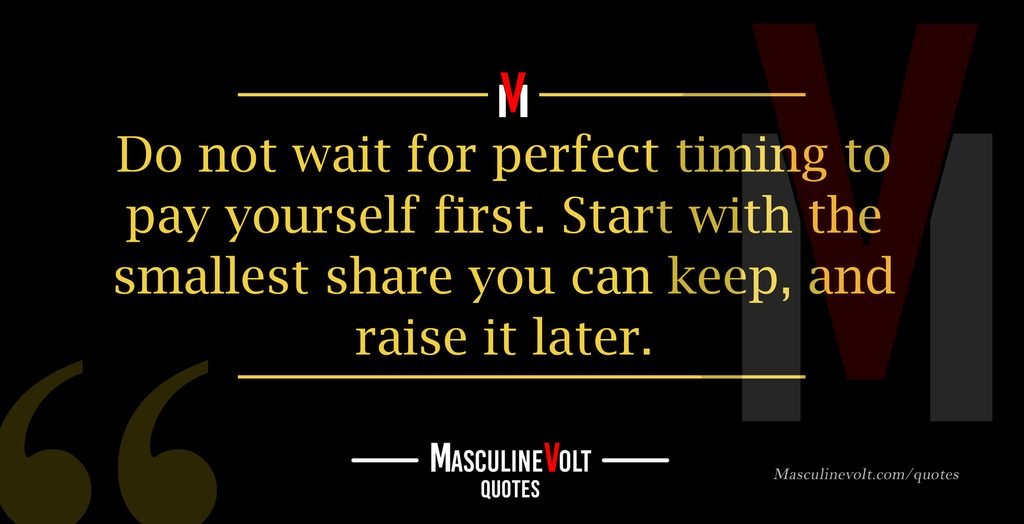
According to research, David Bach later promoted the idea in The Automatic Millionaire. Bach urged readers to save 10% to 15% of gross income automatically. Use this history to trust the idea, because it has lasted nearly a century. Do not wait for perfect timing to pay yourself first, since the teaching never required it. Start with the smallest share you can keep, and raise it later. Read one classic book on thrift this year, and note one rule from it.
3. How to Use the Pay Yourself First Principle to Improve Your Finances
Paying yourself first improves your finances only when you use it every payday. Many people know the idea, but they never build a routine. Without a routine, spending always claims your money first. You think small amounts feel pointless, so you delay the start. Delay costs you growth you cannot recover.According to research, committing part of each raise lifted saving rates sharply. Average rates climbed from 3.5% to 13.6% over 40 months.
Use the principle in three plain steps. First, choose a percentage that fits your income. Second, move that money on payday before any other spending. Third, send it toward one clear goal. Link part of every raise to your savings, with this your progress grows with your income. Check your balance once a month, and celebrate small wins. Do not touch the money for wants. Over time, the habit will build a cushion for you, lower your stress, and fund your goals.
4. The Difference Between Saving Money and Paying Yourself First
Saving money and paying yourself first sound alike, but they work very differently. Saving happens when you feel like it, or when cash remains. Paying yourself first happens every payday, by rule. One depends on mood, and the other depends on a system.
According to research, people say they want to save more than they do. That gap shows why occasional saving fails. A system closes the gap, while good intentions never do.
Turn your saving into a system today. Decide a fixed percentage, and move it on every payday. Make the transfer automatic, so you never rely on mood. Judge your progress by consistency, not by large amounts. A small amount saved every month beats a large amount saved once. Place saving before spending in your monthly order, and defend that order. When you miss a month, restart at once.
5. Common Mistakes People Make When Paying Themselves First
Paying yourself first fails when you repeat a few common mistakes. Some people pick an amount that is too large, so they cannot keep it. Others ignore essential expenses, then panic when bills arrive. Some save without an emergency fund, so one surprise forces them to borrow. Many people withdraw the money again and again.
According to research, many people fear losing control when they automate saving. That fear keeps many people from starting. You can fix these mistakes with a few honest checks. Start with an amount you can keep, even if it feels small. Budget for essential expenses before you set your amount. Build a starter emergency fund early, so surprises never force borrowing. Open a separate account, and make withdrawals harder. Treat the money as locked, except for true emergencies. Review your amount every quarter, and raise it slowly.
6. How to Build a Pay-Yourself-First System That Actually Lasts
A pay-yourself-first system matters only when it lasts. Most people start strong, then drift away within a few months. Life changes, income shifts, and their old habits return. A weak system cannot survive those changes. Systems fail when you never revisit them.
Strong systems should keep working even when motivation fades. So build your system in five parts.
- First, determine your amount from your income and goals.
- Second, automate the transfer for every payday.
- Third, send the money to a separate savings or investment account.
- Fourth, adjust the amount whenever your income changes.
- Fifth, review the system every few months.
Keep each part simple, so you can repeat it. A system that runs itself lasts longer than willpower. Treat each review as a quick checkup, not a punishment. making small tweaks will keep the system fitting your life as your life changes. Write each part down, so you never forget a step.
Final Advice
Beneath the math, this principle makes a quiet statement about you. It says your future self deserves payment, just like everyone else. Most people pay others on time, yet they delay their own payment. Your money habits reveal that pattern clearly.
Think about how you treat a bill. You never forget it, and you never argue with it. You simply pay it. Give your future the same respect. When you pay yourself first, you act on a promise. You keep your word to the person you will become.
Money follows attention, and attention follows belief. If you believe your future matters, your habits will show it. Each payday becomes a small vote for that future. These votes should add up, even when no one watches.
Do not wait to feel ready. Confidence grows after you act, not before. Take your next payday, and send something to yourself first.
DO NOT FORGET
Editor’s Related Article Pick
8 Simple Ways You Can Control Overspending
The Best Budgeting Methods for Beginners | Simple Ways to Manage Your Money