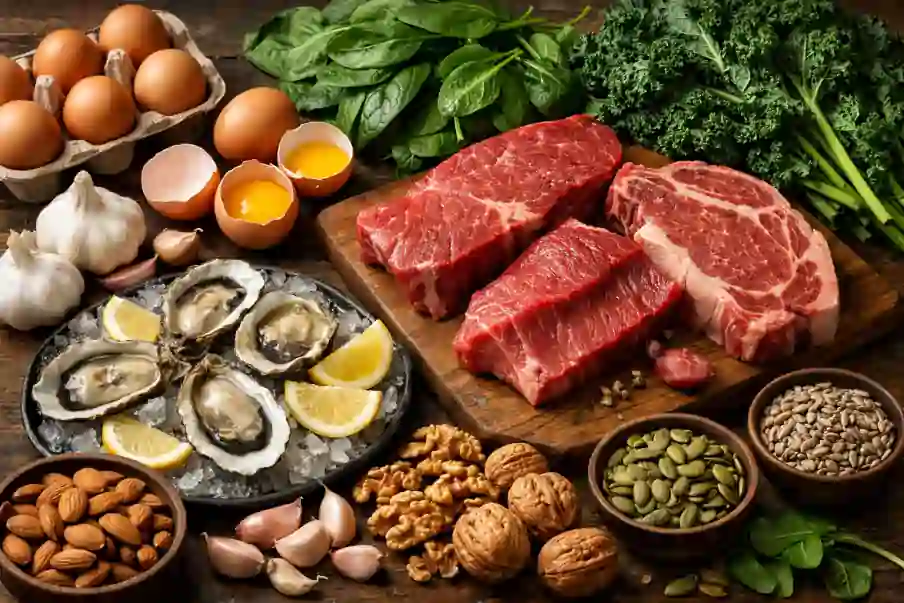
Dear men. Testosterone plays a major role in strength, energy, focus, confidence, and masculine drive. When testosterone levels drop, men feel tired, unmotivated, and weaker over time. Many men search for supplements, but they ignore the power of simple food. What you eat every day directly affects how your body produces and uses testosterone. In this video, I will explain six common foods that support healthy testosterone function, where you can get them, and how to include them properly in your diet.
1. Eggs.
Eggs are one of the best foods for male hormone support. They contain protein, healthy fats, and natural cholesterol, which the body uses to produce testosterone. Eggs are easy to find in local markets, grocery stores, and supermarkets. To get the full benefit, eat the whole egg, not just the white. The yolk contains important nutrients. Two to three eggs per day is enough for most men. Boiled eggs or lightly fried eggs are best. Avoid deep frying or mixing eggs with too much oil, because excess oil can reduce health benefits.
Nutritional value:
Protein about 12% DV per large egg,
Vitamin D about 10% DV,
Vitamin B12 about 20% DV,
Selenium about 25% DV,
Choline about 30% DV
Health benefits for men:
Supports normal testosterone production,
supports muscle maintenance,
contributes to energy metabolism,
supports brain and nerve function,
contributes to reproductive health
2. Red Meat
Red meat supports testosterone because it contains zinc, iron, and healthy saturated fat. Zinc is especially important for testosterone production and male vitality. You can buy red meat from butcher shops, open markets, or supermarkets. Eat red meat in moderation, about two to three times per week. Choose fresh cuts, not processed meat. Grill, boil, or lightly cook the meat. Avoid burning it or frying it in heavy oil. When eaten correctly, red meat supports strength, muscle recovery, and hormone balance.
Nutritional value
Protein about 50% DV per 100 grams,
Zinc about 40% DV,
Iron about 15% DV,
Vitamin B12 about 90% DV,
Saturated fat about 30% DV
Health benefits for men:
Supports normal testosterone levels,
supports muscle strength,
contributes to oxygen transport in blood,
supports nervous system health,
supports reproductive function
3. Oysters
Oysters are one of the richest natural sources of zinc. Zinc plays a key role in testosterone production and sperm health. Low zinc levels are linked to low testosterone. Oysters can be found at seafood markets, frozen food stores, or coastal markets. They can be steamed, boiled, or lightly cooked. You do not need to eat them daily. Once or twice per week is enough. Eating oysters regularly helps support male hormone function and overall vitality.
Nutritional value:
Zinc about 300% DV per 6 medium oysters,
Protein about 20% DV,
Vitamin B12 about 480% DV,
Selenium about 65% DV,
Omega three fats about 30% DV
Health benefits for men:
Strongly supports normal testosterone production,
supports sperm health,
supports immune function,
supports cellular repair,
supports reproductive health
4. Garlic.
Garlic helps reduce stress hormones in the body. High stress hormones reduce testosterone levels. When stress is controlled, testosterone works more effectively. Garlic is cheap and available in almost every market. Use fresh garlic, not garlic powder. Crush or chop the garlic and let it sit for a few minutes before cooking. This activates helpful compounds. Add garlic to soups, stews, rice, and meat meals. Using garlic daily in small amounts supports hormone balance and overall health.
Nutritional value:
Vitamin B6 about 10% DV per clove,
Vitamin C about 15% DV,
Manganese about 20% DV,
Antioxidant compounds present in small but active amounts
Health benefits for men:
Supports cardiovascular health,
supports healthy blood flow,
supports immune response,
contributes indirectly to hormonal balance through stress and inflammation control
5. Leafy Green Vegetables.
Leafy green vegetables like spinach, ugu, kale, and bitter leaf support testosterone because they contain magnesium. Magnesium helps regulate hormones and improves energy levels. These vegetables are easy to find in local markets. Eat them cooked lightly or added to soups and meals. Avoid overcooking because it reduces nutrients. Try to eat leafy greens several times per week. They also support digestion and blood flow, which helps hormones work better in the body.
Nutritional value:
Magnesium about 25% DV per cooked cup,
Vitamin K about 500% DV,
Folate about 60% DV,
Fiber about 15% DV,
Iron about 20% DV
Health benefits for men:
Supports hormone regulation,
supports muscle and nerve function,
supports heart health,
supports metabolic efficiency,
contributes to overall vitality
6. Nuts and Seeds.
Nuts and seeds support testosterone because they contain healthy fats, zinc, and magnesium. Almonds, peanuts, walnuts, and pumpkin seeds are good options. You can buy them in grocery stores or open markets. Eat a small handful daily as a snack or add them to meals. Do not overeat them, because they are high in calories. When eaten in the right amount, nuts and seeds support hormone function, energy, and focus.
Nutritional value:
Healthy fats about 60% DV per serving,
Zinc about 20% DV,
Magnesium about 25% DV,
Protein about 15% DV,
Vitamin E about 50% DV
Health benefits for men:
Supports normal testosterone production,
supports cardiovascular health,
supports reproductive health,
supports energy metabolism,
supports hormonal stability
Meanwhile, Food alone will not fix a weak lifestyle. These foods support testosterone, but discipline sustains it. Sleep well, train your body, manage stress, and stay consistent. Eat like a man who respects his body and lives with purpose. When your habits are strong, your body responds with strength, energy, and confidence.

Health Related:
5 Features That Will Make You Look More Attractive Instantly